Digital Transformation in Museum Fundraising

Why Museums Are Rethinking How They Engage Donors
Most museums know the story by now: fundraising expectations have changed, dramatically. Donors aren’t responding to the same workflows that carried institutions through the 2000s. And it’s not because people are less generous, it’s because the way they engage has shifted.
Online donations, mobile-first interactions, automated stewardship, and real-time reporting aren’t “nice-to-haves” anymore. They’ve become the baseline.
Digital transformation in fundraising isn’t just adopting tools. It’s rebuilding the entire visibility chain between a museum and its supporters.
That’s the shift this article explores: how digital fundraising tools reshape donor engagement for museums that no longer have the time, staff, or flexibility to run manual systems.
Why Digital Fundraising Has Become the New Default
Museums used to manage donors through a handful of predictable channels i.e. mailers, in-person events, maybe an annual campaign. Today, almost every interaction weaves through a digital touchpoint before a gift ever happens.
And in practice, that means legacy approaches start breaking down.
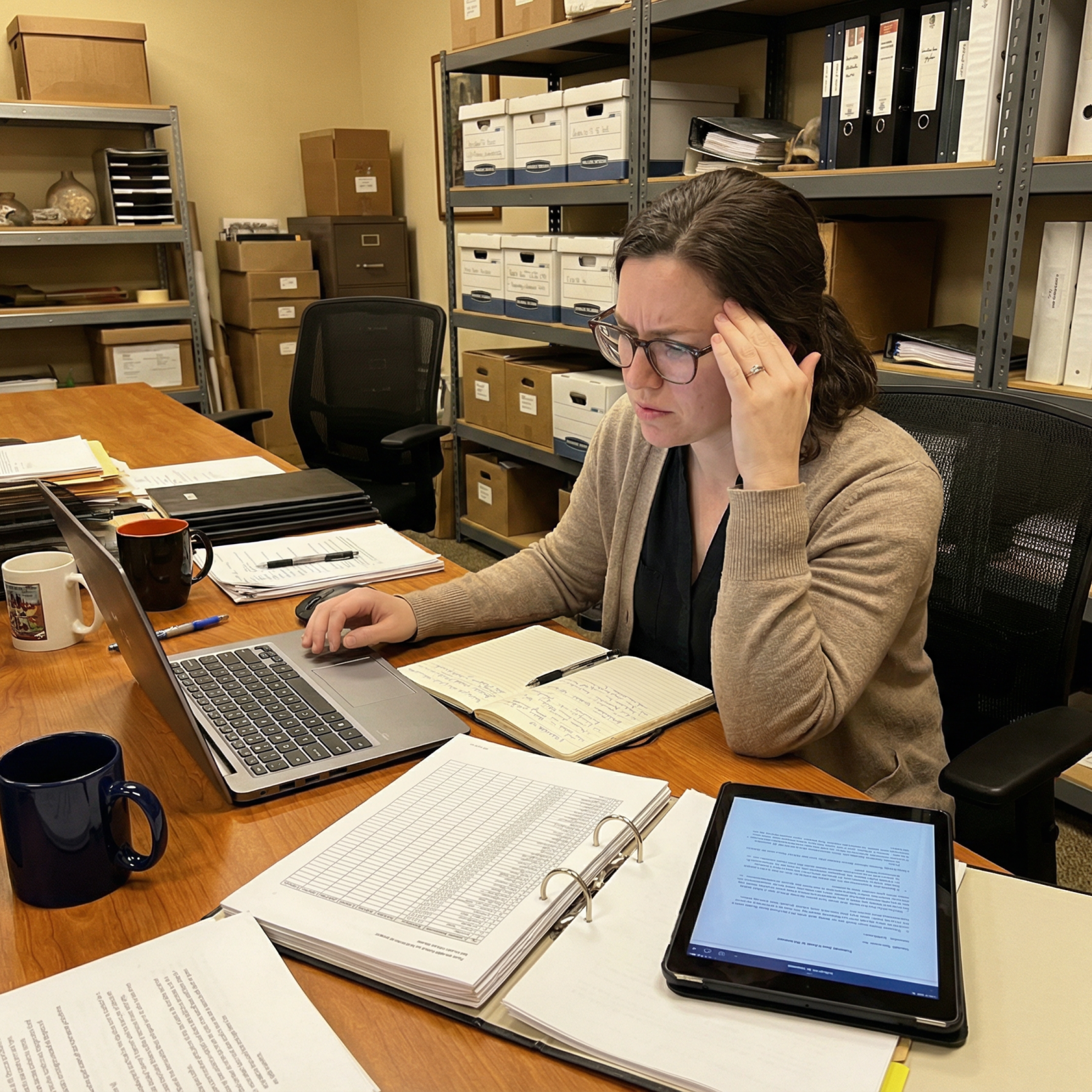
When ticketing, membership, retail, and donor records live in separate systems, no one sees the full donor relationship. Staff spend hours cross-checking spreadsheets or exporting CSVs for reports that don’t quite match reality.
According to NextAfter’s Online Donor Retention Study, many organizations lose donors simply because they don’t act on early digital engagement, underscoring how missed opportunities, not inefficiency, drive revenue loss.
If you can’t see when a member is slowly drifting, or when a frequent visitor is quietly edging toward becoming a donor, you can’t engage them at the right moment.
This is where fundraising software for nonprofits in the digital age shines: it doesn't just store donor records, it connects them to every part of the visitor experience. Ticket purchases, event attendance, membership history, even shop purchases — all of it flows into a unified profile fundraisers can use to personalize outreach, time appeals, and tailor asks to each donor's actual relationship with the institution.
What “Digital Transformation” Really Means for Fundraising Teams
It’s not a buzzword. For museums, digital transformation is mostly about consolidation and clarity.
Modern museum fundraising platforms bring several improvements that teams feel immediately:
A single record for every relationship: Whether someone bought a ticket last week, renewed a membership, or donated during a campaign, everything shows up in one place. No chasing down sub-systems.
Automated stewardship: Renewal nudges. First-time donor thank-you’s. Personalized cultivation paths. These become automated, but still feel personal.
Cleaner segmentation: You can finally separate casual visitors from major-gift prospects based on actual behavior, not hunches.
Faster campaign cycles: Because reporting isn’t a bottleneck anymore, staff can run more experiments and react to donor trends in real time.
When staff can stop reconciling data and start cultivating relationships, fundraising output changes noticeably.
Why Generic CRMs Fall Short for Museums
Plenty of nonprofits make do with general-purpose CRMs. Museums aren’t most nonprofits.
Their audiences behave differently: people attend events, bring families, join as members, shop in the store, volunteer, donate online, and sometimes give major gifts, all through the same institutional relationship.
A generic fundraising tool can track donations, but it can’t explain in most cases why someone gives, or why they stop, because it most likely doesn’t illustrate the full picture.
That’s why museums are moving toward systems that can read the entire engagement pattern, not just the donation history.
It’s the difference between having donor data and actually understanding donor behavior.
How Digital Tools Strengthen the Donor Lifecycle
Digital transformation changes fundraising most during the in-between moments, the soft signals donors send before they ever give (or lapse).
Here’s where museums feel the biggest lift:
Discovery: Online forms and ticket flows capture early interest long before a gift.
Consideration: Tailored content and personalized touches help prospects feel recognized, not mass-marketed.
Conversion: A clean, seamless donation experience reduces friction and increases gift volume.
Stewardship: Automation handles the administrative tasks so staff can focus on meaningful follow-up.
Retention: Donors stay engaged when outreach feels timely and relevant, not batch-sent.
Donors don’t expect perfection, they expect responsiveness. Digital tools help deliver that at scale.
Why Museums Need Fundraising Software Built for Their Reality
Museums juggle more revenue types and audience touchpoints than typical nonprofits. If a fundraising platform doesn’t capture:
attendance patterns
membership activity
event participation
store purchases
…then it’s not giving an honest picture of donor readiness.
Museum-specific fundraising systems connect these dots. They help staff recognize when someone is moving from visitor → member → advocate → donor, even if the signals are subtle.
When you can read those signals early, donor engagement becomes proactive instead of reactive.
Where Veevart Fits Into the Digital Transformation Story
Digital fundraising doesn’t happen in isolation. It depends on ticketing, membership, events, visitor behavior, and retail activity all feeding into the same picture. When those systems are scattered, fundraisers have to work twice as hard just to see where donors are in their journey.
A unified platform simply removes that friction.
It gives teams the context they need without forcing them to piece it together manually.
Here’s what that looks like in practice:
a real-time view of supporter activity and history
automated journeys that reflect museum-specific engagement patterns
deeper segmentation for campaigns and appeals
donor insights informed by actual visitor behavior
smoother integrations with marketing, payment, and research tools
None of this replaces staff judgment, it just gives fundraisers a clearer starting point.
Digital transformation works when the software lifts the administrative burden instead of adding to it.
A Final Note for Museum Leaders
Digital fundraising isn’t replacing the personal side of development, it’s strengthening it. Museums that modernize their systems discover two things almost immediately:
They finally see their supporters clearly.
They have more time to build the relationships that matter.
Technology isn’t the point. The point is the clarity, consistency, and confidence it gives both staff and donors.
If your team is rethinking its fundraising playbook, a simple internal worksheet can help clarify priorities. Consider outlining:
which donor groups are most engaged today
which touchpoints generate the strongest responses
where engagement tends to drop off
which processes consume the most staff time
what data teams wish they had but can’t access today
Even a short exercise like this helps museums see where digital systems can meaningfully support or accelerate their fundraising goals.