How Museums Can Scale Without Losing Their Identity
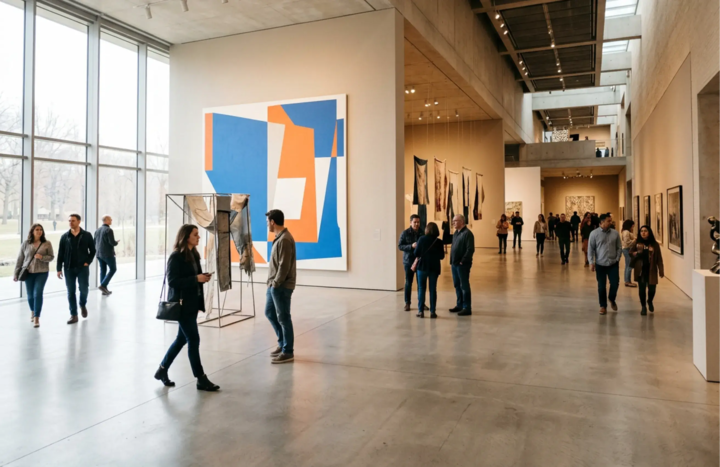
A museum doesn’t decide to grow all at once. The pressure builds. The board wants expansion. Funding gets tighter. The city expects more reach, more relevance, more impact. So the museum expands. New programs are added, events multiply, rentals increase, ticketing improves, membership campaigns scale. Each decision makes sense on its own, and from the outside, it all looks like success. But inside the institution, something quieter starts to shift. The work becomes harder to connect. The throughline thins. And slowly, almost imperceptibly, the museum begins to feel less like itself.
The Fear Most Museum Leaders Don’t Say Out Loud
Growth carries an uncomfortable fear. Not failure. Loss of identity.
Museums are not startups chasing scale. They are cultural institutions built around mission, meaning, and trust.
Every new initiative raises a subtle question:
Will we still be us after we grow?
So leaders become cautious. They approve growth carefully. They protect curatorial integrity. They defend the institutional narrative. But the real risk rarely appears where leaders expect it. Identity doesn’t erode because museums add programs. It erodes because growth happens in fragments.
The Comfortable Assumption That Creates the Problem
Most museums expand through departments.
Education launches new programs.
Development grows fundraising campaigns.
Visitor services increases ticketing capacity.
Operations opens new facility rentals.
Each department succeeds on its own terms. That feels like healthy growth. But underneath that success is an assumption that quietly shapes the entire organization:
Growth can be managed department by department.
Operationally, that assumption feels efficient. Strategically, it’s dangerous. Because visitors, members, donors, and community partners don’t experience the museum as separate departments. They experience one institution.
What Fragmented Growth Actually Looks Like
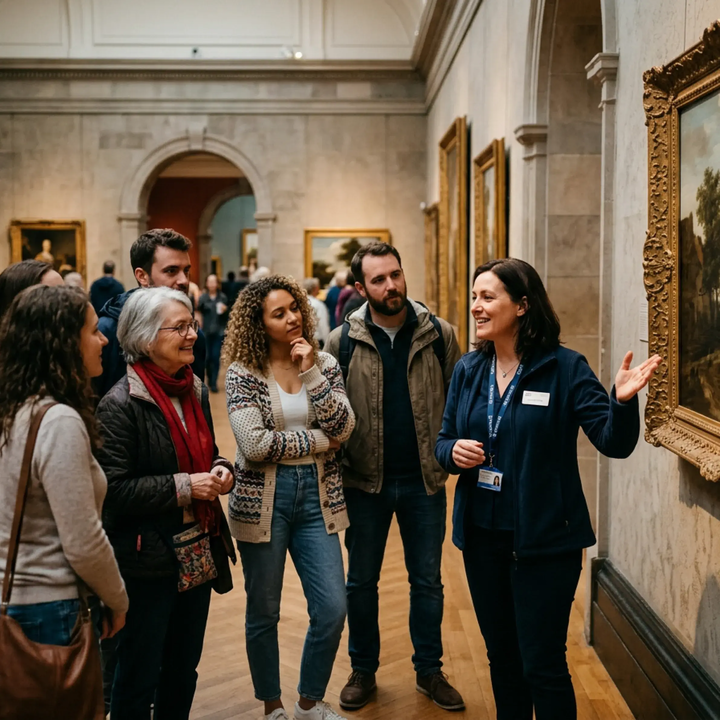
When growth happens in silos, the museum accumulates activity but loses coherence.
Education programs attract new audiences.
Marketing builds campaigns around them.
Membership launches offers tied to attendance.
Development pursues donors inspired by the programs.
Individually, each effort works. Collectively, something gets lost. No one can clearly see how these experiences connect. The museum can measure attendance. It can measure donations. It can measure membership renewals. But it struggles to answer the deeper questions that define institutional identity:
Which experiences actually deepen engagement?
Which programs turn visitors into long-term supporters?
Which audiences are becoming part of the museum’s community rather than just passing through?
Without those answers, growth becomes activity without narrative. And identity slowly blurs.
The Operational Pressure Behind Identity Drift
The culprit is rarely philosophy. It’s infrastructure. As museums grow, their systems multiply.
Ticketing systems track visitors.
Membership platforms track benefits.
Donor databases track giving.
Program registration tools track classes.
Finance tools track revenue.
Each system does its job well. But each system sees only a piece of the institution. Leadership ends up looking at fragments of the museum instead of the whole. And when leadership cannot see the whole system, strategy starts drifting. Fragmented systems aren't a data problem in isolation — they're the operational root of nearly every visionary museum operations consideration continued in this series.
Identity Is Not a Branding Problem
Museums often try to solve identity drift through messaging. Mission statements get refined. Brand narratives get updated. Marketing campaigns reinforce institutional values. Those efforts matter. But identity is not preserved through storytelling alone. It is preserved through structure.
A museum keeps its identity when every program, visitor experience, membership relationship, and philanthropic interaction reinforces the same institutional purpose.
When those experiences are disconnected operationally, identity fragments regardless of how well the mission statement is written.
What Scaling Actually Requires
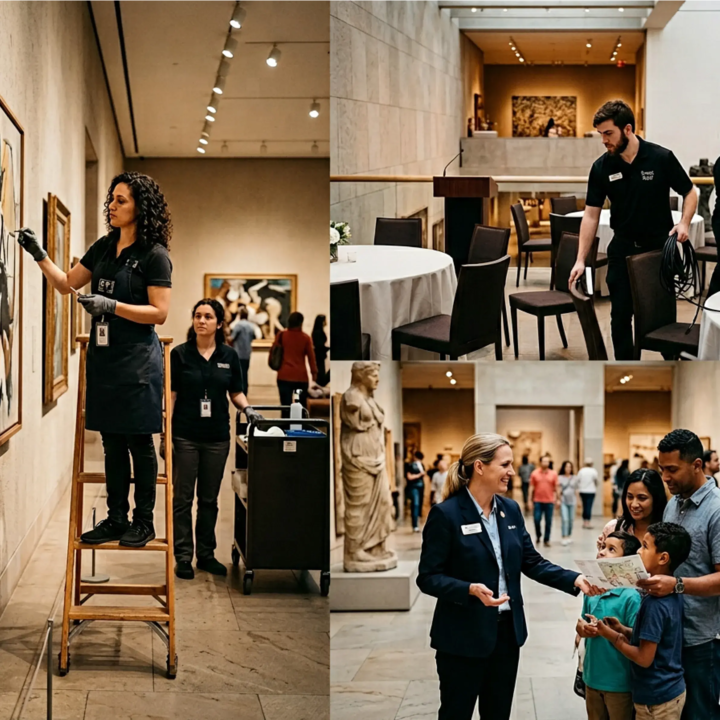
Scaling a museum without losing its identity requires something counterintuitive. Not fewer initiatives. Clearer connective tissue. Leadership needs visibility into how the institution’s experiences fit together.
How visitors become members.
How members become donors.
How programs deepen engagement.
How exhibitions drive community participation.
When those connections become visible, growth stops being chaotic. Programs can expand without drifting away from mission. Fundraising becomes aligned with audience engagement. Membership becomes a gateway to deeper participation rather than a standalone revenue stream. The museum stops growing outward in random directions. It grows along the lines of its identity.
The Real Definition of Institutional Scale
A museum has not truly scaled when it has more programs, more visitors, or more revenue. It has scaled when it can expand all of those things while still understanding the relationship between them. When leadership can see how the institution’s ecosystem actually works.
Which experiences lead people deeper into the museum.
Which initiatives strengthen community connection.
Which efforts reinforce the mission instead of diluting it.
That clarity is what allows growth to remain faithful to identity.
Scaling doesn’t threaten a museum’s identity. Fragmentation does. Growth itself isn’t the risk. Growing without seeing the full system is. The museums that manage this well eventually reach the same realization:
Identity is not something you defend while scaling. It’s something you design the system to protect.