Integrating Online and Onsite Visitor Journeys
Why Hybrid Engagement is Becoming the New Normal for Museums
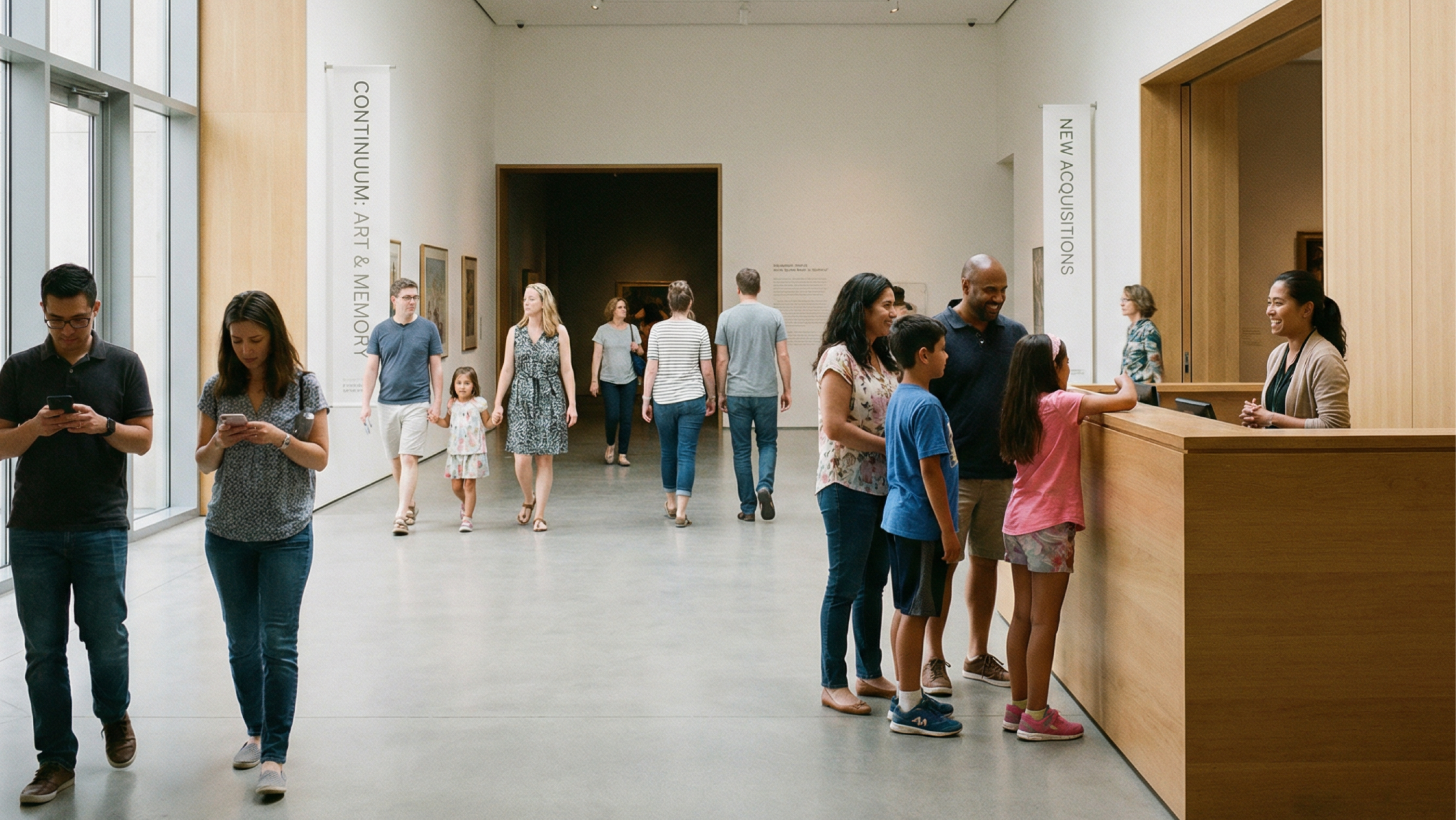
For years, museums treated online interactions and onsite visits as separate tracks; a visitor bought a ticket online, arrived at the front desk, and essentially started from scratch. But as digital habits have shifted, the gap between online and onsite experiences has become far more noticeable.
Visitors expect continuity. They expect the museum to know who they are, recognize their membership status, and offer a frictionless path from browsing to arrival to follow-up.
When online and onsite journeys remain disconnected, the museum loses visibility and visitors lose momentum.
This is where hybrid engagement becomes more than a technology trend. It becomes a practical strategy for improving satisfaction, increasing repeat visits, and opening clearer pathways to membership and donor relationships.
Why Visitor Journeys Need to Be Unified, Not Parallel
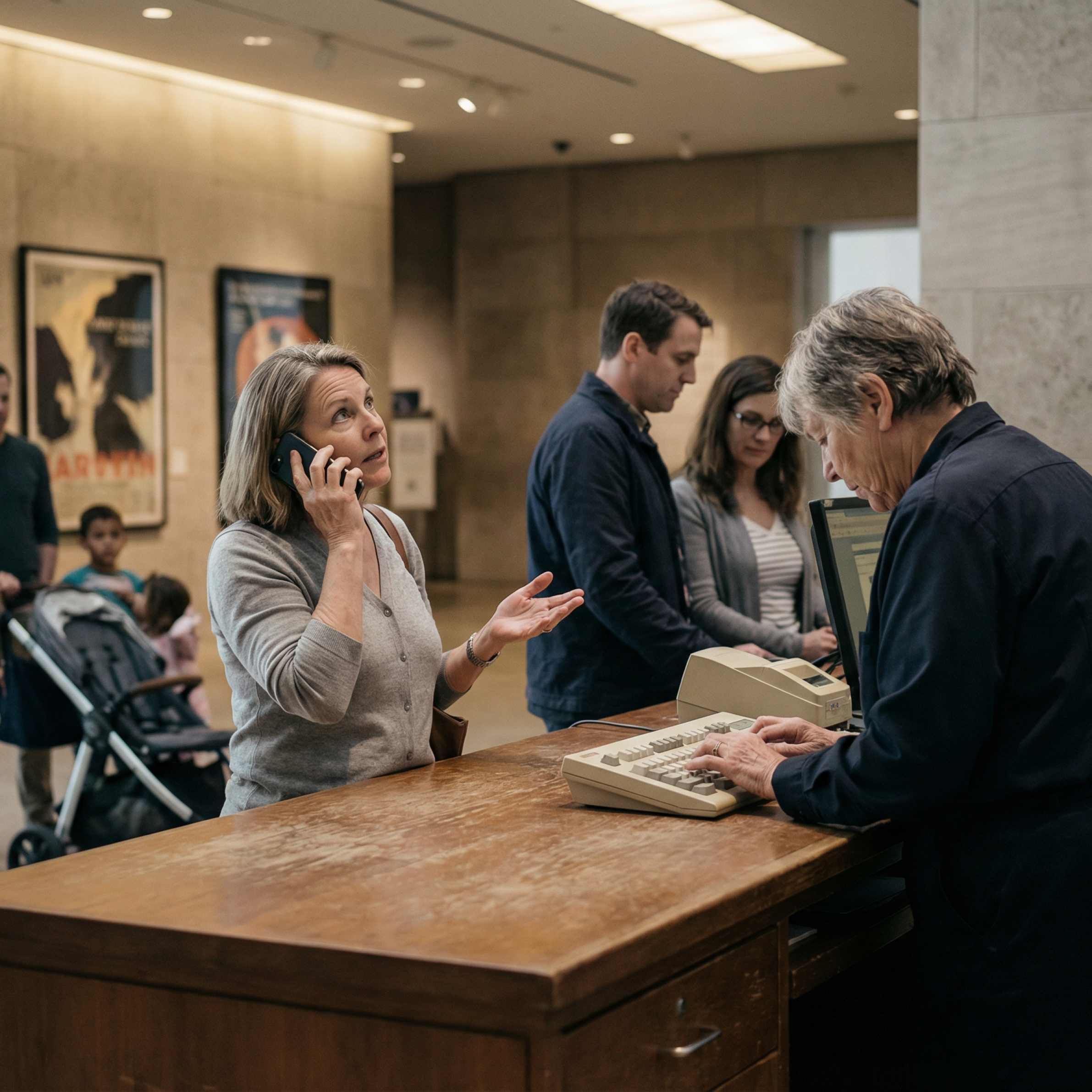
Most museums still rely on a mix of systems: one for ticketing, another for web sales, a separate membership database, and sometimes a legacy POS at the front desk. Staff patch these together with manual updates or nightly syncs.
That patchwork creates several problems:
Staff can’t see the full visitor lifecycle
Visitors repeat information across channels
Membership benefits don’t sync cleanly at POS
Marketing loses the ability to target based on behavior
Reporting becomes a guessing game
The real issue isn’t technology gaps, it’s continuity gaps.
When the museum doesn’t recognize the visitor across touchpoints, the experience feels disjointed, even if each individual step works perfectly well.
How Online and Onsite Touchpoints Have Evolved
Today’s museum audience blends digital and physical behavior fluidly. A single visitor might:
Browse exhibit information on their phone
Buy a timed ticket online
Upgrade to a membership at the desk
Attend a special event weeks later
Donate after receiving a personalized email
Shop in the museum store during a return visit
All of that activity forms a story. The question is whether your systems can see it or whether each chapter ends up trapped in a different database.
Hybrid visitor experiences work best when every touchpoint contributes to one coherent profile.
What an Integrated Hybrid Journey Looks Like
Let's map a simple example. A family decides to visit on a Saturday afternoon. They purchase tickets online, log in to check membership rates, and opt to buy general admission instead. The museum system instantly knows their purchase, their preferred visit time, and their household details.
When they arrive onsite, the front desk sees their online transaction immediately. No confirmation emails to search for. No awkward re-entry of visitor information.
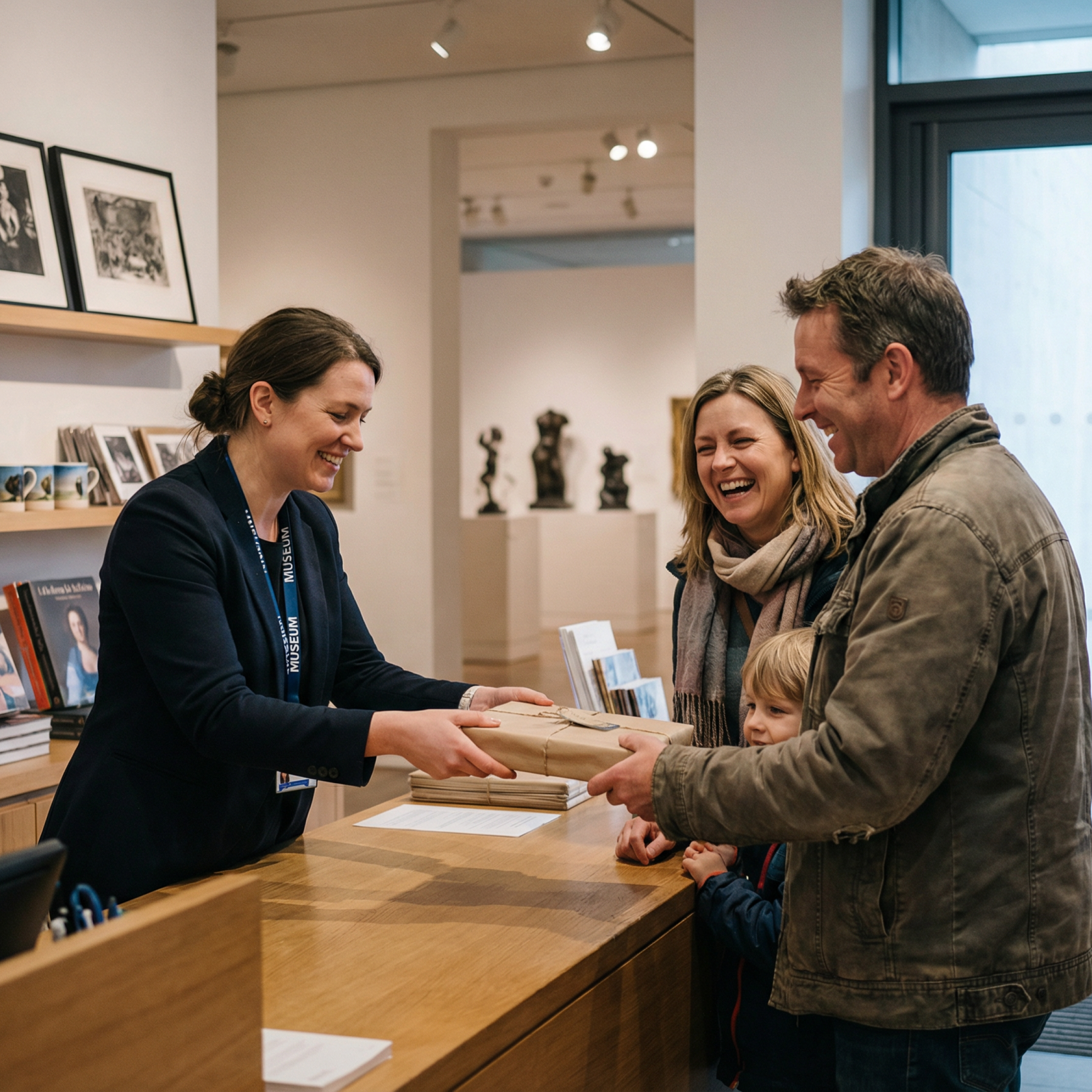
At checkout in the museum store, the POS recognizes the family’s record and shows staff that they’re likely candidates for a membership upgrade perhaps based on past attendance or visitor patterns.
The next day, they receive a follow-up message from the museum that acknowledges their visit and invites them to return for an upcoming exhibit, with a membership discount code included.
Nothing about this workflow is extraordinary. But the continuity is what makes it feel seamless.
Why Unified Visitor Data Matters More Than Ever
Museums aren’t just managing admissions anymore, they’re managing relationships. Unified visitor data allows staff to make decisions with confidence instead of assumptions.
When ticketing, membership, events, retail, and donations all flow into the same system, several things happen:
Staff understand which visitors are becoming regulars
Membership upgrades become easier to identify
Marketing can target based on behavior, not guesswork
Frontline teams have context for conversations
Reporting becomes a single source of truth
Unified data removes the blind spots that slow museum operations down.
And when visitors feel recognized, not as anonymous ticket buyers, but as returning participants in the life of the museum then their engagement deepens naturally.
Where Most Museums Get Stuck
Museums typically struggle with hybrid engagement in one of two ways:
Fragmented tools
Ticketing, memberships, events, and POS all run separately.
Siloed data
Even when tools technically integrate, they don’t update in real time or feed into a single visitor profile.
This is why so many institutions talk about “improving the visitor experience” but feel stuck when it comes to execution. The core problem is not staff effort, it’s architecture.
A museum can’t offer a modern visitor experience if the foundations are built on disconnected systems.
How Veevart Supports Seamless Online + Onsite Journeys
Veevart’s platform is designed to eliminate these breaks in the experience. Because ticketing, membership, retail, events, and fundraising all run inside the same ecosystem, every interaction enriches the visitor record automatically.
That continuity shows up in the work:
Online ticketing transactions immediately update CRM data
POS terminals recognize members and apply benefits instantly
Staff can see purchase history, program registrations, and visit frequency
Membership upgrades are suggested based on real visitor behavior
Marketing teams build campaigns from unified engagement data
Donations connect naturally to the visitor’s lifecycle
Hybrid engagement only works when every interaction online or onsite feeds the same source of truth. This is the connective tissue Veevart provides.
Closing Thought
Museums don’t transform visitor experience by adding more tools. They transform it by connecting the ones that matter most.
When online and onsite journeys are unified, visitors move fluidly through the museum’s world; discovering, participating, returning, and eventually supporting in deeper ways.
That continuity is the future of museum engagement, and the institutions who embrace it will feel the difference not just in revenue, but in the relationships they build over time.