International Museum Day: From Celebration to Transformation
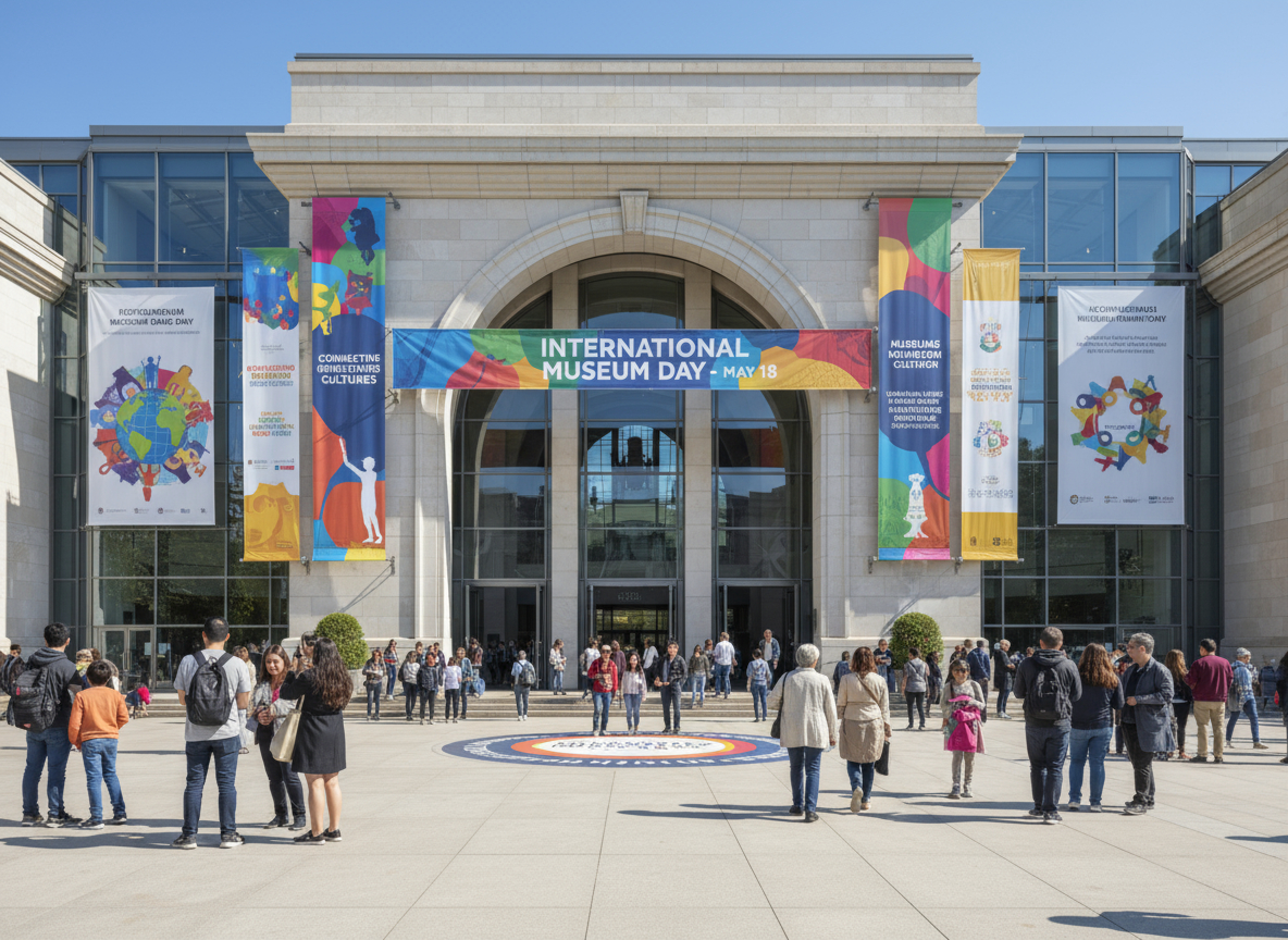
Each year, International Museum Day arrives with well-meaning celebrations: free admissions, family-friendly programs, and a reaffirmed commitment to culture. However, the museums defining the future understand something deeper: this day isn’t just about celebration, it’s about strategy.
May 18th presents a unique alignment of visibility, public goodwill, and cross-sector attention. It invites museums to speak not only to their regular audiences but to a broader public that may rarely engage.
For a brief moment, all eyes turn toward culture. And at that moment, there lies a tremendous opportunity not just to participate in a global event but also to set the tone for the entire year ahead.
Turning a One-Day Spike into a Year-Round Strategy
For too long, foot traffic and hashtags have measured success on International Museum Day. But spikes in attendance without strategic follow-through produce fleeting value. The museums with long-term impact do something different: they treat this day as a powerful catalyst.
These museums don’t stop at getting people through the door; they build ties to their community they pay attention to how they engage, and what moves them. A ticket is no longer just an entry pass; it becomes a data point that fuels a year of deeper relationship. It connects to a CRM that informs programming, communications, and fundraising. It helps understand which audiences are growing, which are fading, and how to respond with agility.
Cultural Visibility Is Not Enough. Relevance Requires Systems and Processes.
Being seen is not the same as being remembered. Museums that rely on seasonal visibility without investing in sustained connection fall into a dangerous rhythm: moments of attention followed by long silences. Institutional memory weakens, community ties loosen, and revenue becomes unpredictable.
Museums that lead avoid this trap. They build continuity. They make every campaign count, not just through good intentions but through operational discipline. They move beyond fragmented tools and adopt platforms that unify the museum’s efforts from ticketing to fundraising to audience segmentation.
This isn’t just modernization; it’s a shift in mindset. The institution becomes more than a building or a mission. It becomes a learning organism, one that grows smarter with every interaction.
What Happens on May 18th Should Echo All Year
When executed with strategy, International Museum Day sets the tone for the months ahead. It becomes the launch point for new memberships, targeted campaigns, deeper partnerships, and clearer institutional storytelling. It’s no longer a single peak; it becomes the foundation for an upward curve.
This only works when museums take control of their systems. When data speaks clearly, when workflows are aligned, and when every team from marketing to programming to development is working from a shared view of reality.
Veevart enables this alignment not as a tool to use once, but as the infrastructure that elevates the entire institution’s way of working.
3 Ways to Transform International Museum Day into Long-Term Impact
Capture data with intention
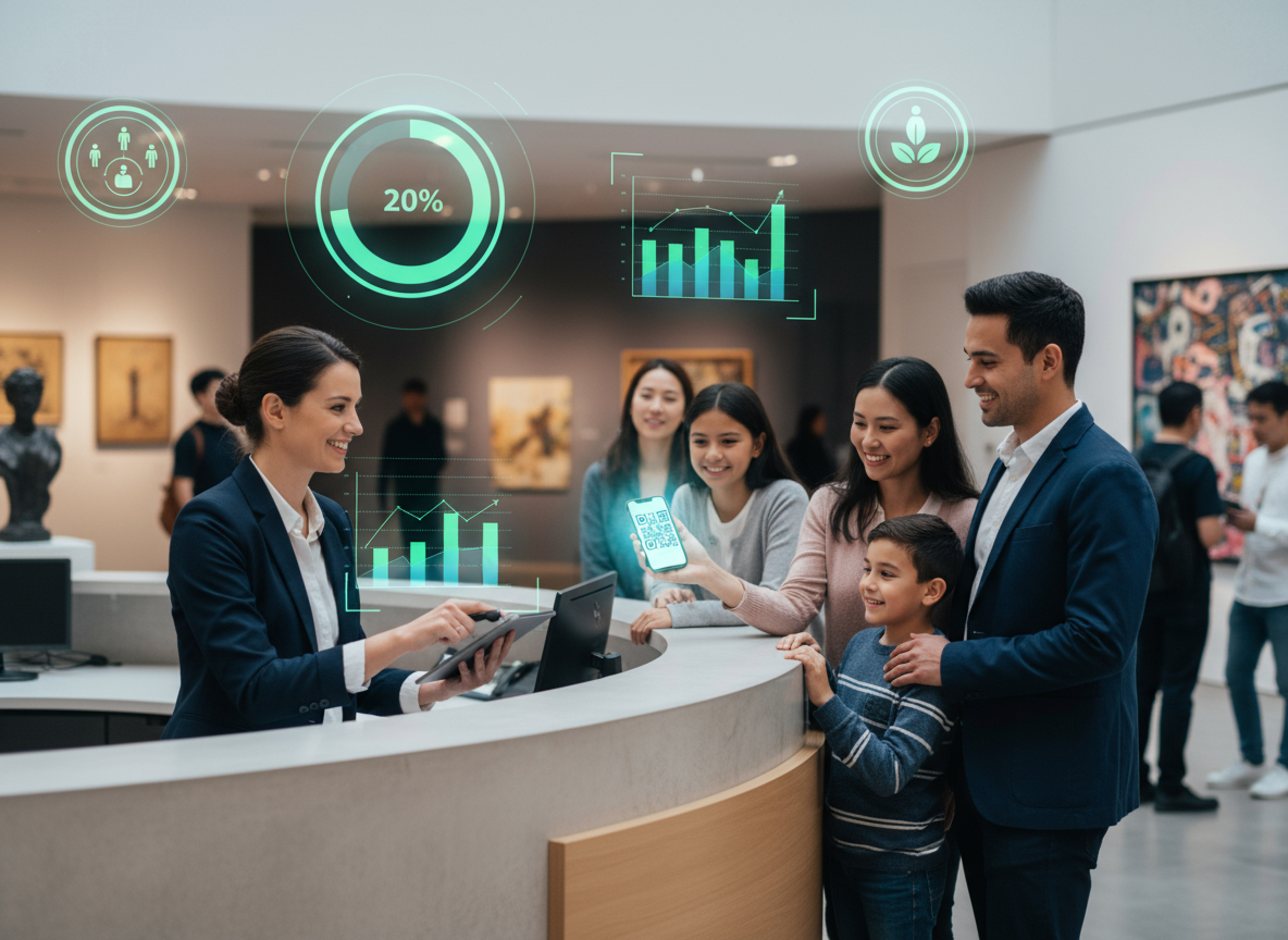
Don’t just count visitors, connect with them. Use digital forms, QR codes, or Veevart’s event and ticketing tools to transform a visit into the start of a relationship.
Launch an immediate follow-up campaign
Reach out while the experience is still fresh. Send tailored content, invite visitors to an upcoming event, or offer membership options, all from the same platform.
Turn visibility into strategy
Analyze who came, why they came, and what would make them return. Use that insight to adjust programming, refine communications, and guide your fundraising efforts.
Because being seen for a day isn’t enough.
The museums that lead are the ones that turn every opportunity into a step forward.
May 18th isn’t the end of a celebration. It’s the beginning of a transformation.