7 Essential Features of a Reliable Rental System
For museums and cultural institutions, managing space rentals efficiently is key to ensuring smooth operations, preventing scheduling conflicts, and maximizing revenue. Whether renting out an auditorium for a lecture, a gallery for a private event, or a classroom for a workshop, having the right booking system in place makes all the difference. But what truly defines a high-quality rental system?
Here are seven essential features to look for when evaluating a rental management platform.

1. Integration with External Calendars
A robust rental system should seamlessly sync with external calendars like Google Calendar or Outlook. This ensures that bookings update automatically across all platforms, helping staff stay informed and preventing double bookings. Real-time synchronization is crucial for efficient event coordination and communication among teams.
2. Comprehensive Space and Resource Management
Renting a space often involves more than just reserving a room. A reliable system should allow institutions to manage associated resources like AV equipment, furniture, catering services, or even staff assignments.
Having a centralized view of available spaces and resources minimizes conflicts and ensures that all necessary elements are in place for a successful event.
3. Dynamic Pricing for Rentals and Resources
Pricing flexibility is essential for optimizing revenue. Rental costs should not be static; for example, booking a venue on a Monday morning might be less expensive than on a Friday evening. A high-quality system should allow institutions to adjust pricing based on demand, event type, or customer membership status.
Additionally, the ability to set different rates for resources—such as AV equipment or extra staffing—adds another layer of financial efficiency. This is a feature that many systems are beginning to develop to accommodate evolving rental needs.
4. Automated Notifications and Booking Confirmations
Manual follow-ups can be time-consuming and prone to errors. A good rental system should automate booking confirmations, event reminders, and change notifications. This keeps both internal teams and clients updated, reducing the risk of miscommunication and last-minute cancellations.
5. Integrated Ticketing for Rental Events
Many cultural institutions not only rent spaces but also sell tickets for events hosted within them. Having a rental system that supports ticketing—whether for public workshops, private tours, or special exhibitions—eliminates the need for third-party integrations and streamlines event management.
Institutions benefit from an all-in-one solution that handles both rental reservations and ticket sales within the same platform.
6. Reports and Analytics for Informed Decision-Making
Access to real-time data is crucial for understanding rental trends and optimizing operations. A good system should provide insights into occupancy rates, peak booking times, revenue generation, and customer behavior.
Customizable reports help institutions make data-driven decisions to refine pricing strategies, improve space utilization, and enhance the overall rental experience.
7. Online Rental Reservation Capabilities
A key feature of an efficient rental system is allowing clients to make their own space reservations online. Providing an easy-to-use online booking portal enables customers to check availability, select spaces, and confirm their bookings without needing to contact the institution directly.
This not only improves the customer experience but also reduces the administrative workload for staff, streamlining the entire rental process.
Conclusion
Choosing the right rental system is about more than just managing reservations—it’s about optimizing operations, increasing efficiency, and maximizing revenue. Features like dynamic pricing, integrated ticketing, and automated communication can make a significant impact on how institutions handle their rentals.
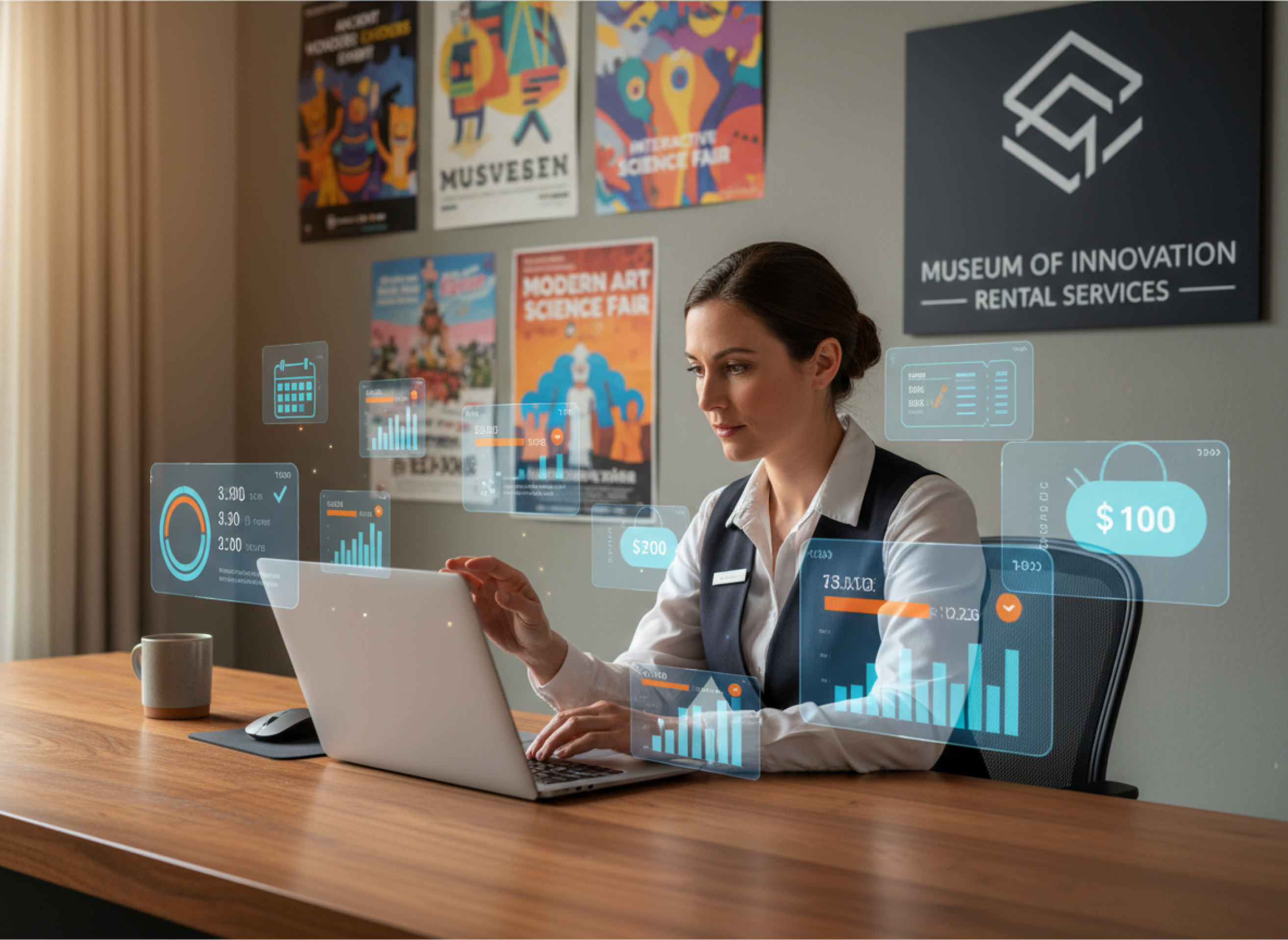
As technology evolves, museum event rental software like Veevart continues to develop new solutions to meet the changing needs of cultural institutions. With features designed to streamline your rental process and enhance the experience for both staff and clients, Veevart ensures that your museum can offer seamless, efficient event services.