The MET Gala Best-Kept Secret! Fashion or Strategic “Algorithm”?
If you work at a museum or cultural institution and are looking to improve your fundraising strategies, this article is for you. Through the lens of the MET Gala, we explore how strategic segmentation can transform your fundraising and how tools like Veevart can help you achieve it.
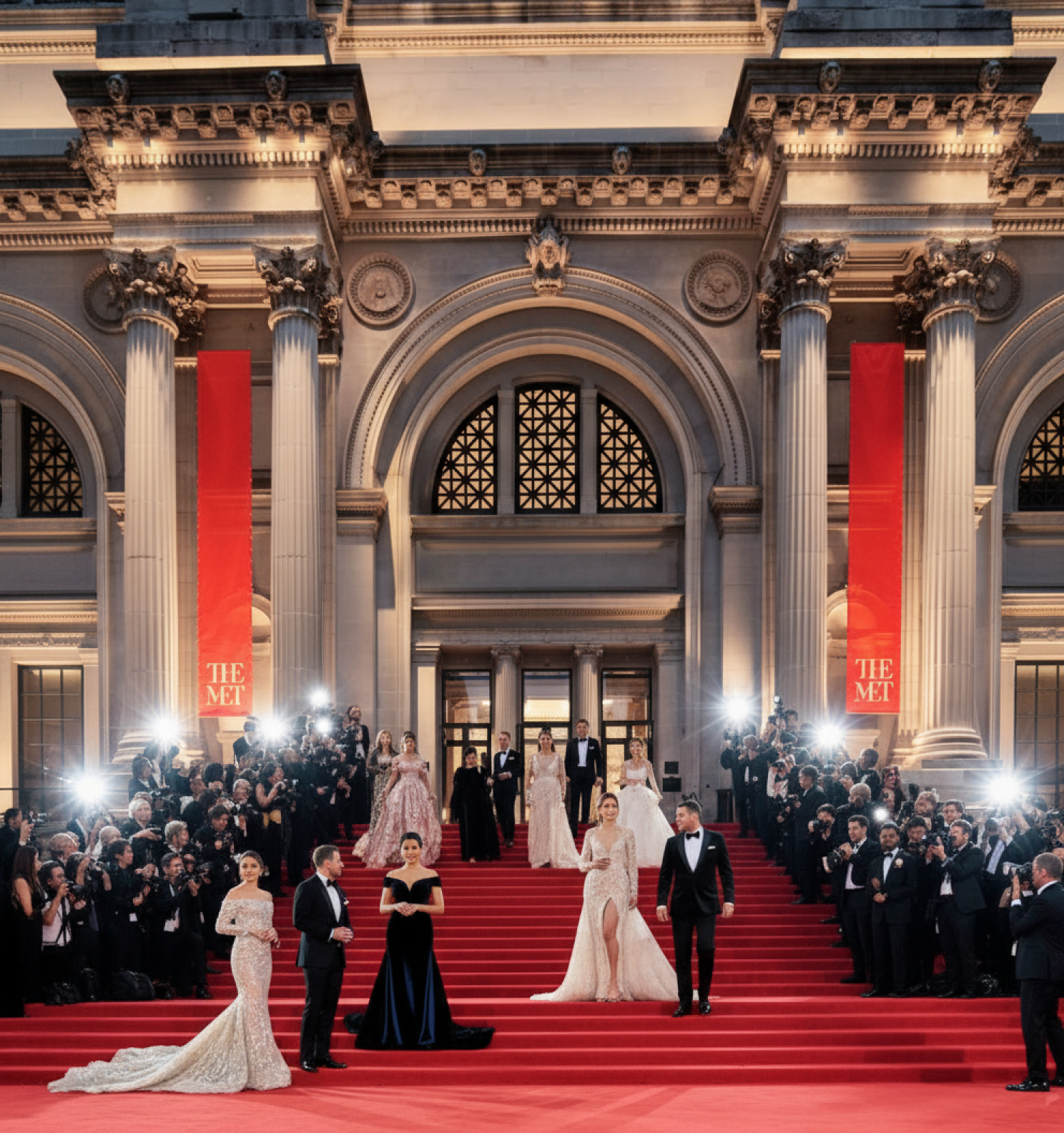
Every year, on the first Monday of May, the steps of the Metropolitan Museum of Art in New York City transform into the world’s most exclusive runway. The MET Gala, officially known as the Costume Institute Benefit, is a fundraising event that dates back to 1948, conceived by publicist Eleanor Lambert to support the newly founded Costume Institute. Over time — especially under the leadership of Anna Wintour since the 1990s the gala has evolved from a modest charity dinner into a global cultural phenomenon that sets trends, sparks conversations, and moves millions of dollars every year (Vogue).
What began as a fundraiser for the Costume Institute has grown into a dazzling spectacle of celebrities, fashion, and social media buzz — all while serving a meaningful cultural cause. Every guest, from supermodels to film directors and moguls, plays a crucial role in a much larger strategy. Behind the glamour, cameras, and stunning looks lies a strategic plan that considers not just aesthetics, but connections, media reach, and each person’s potential to contribute to the mission.
A Successful Gala that Segments with Precision
While the MET Gala is famous for jaw-dropping outfits and viral selfies, its real brilliance lies in its ability to raise funds. In 2024, the event raised more than $26 million — a record-breaking figure compared to $22 million in 2023 (Listín Diario, Times of India). This impressive result isn’t the product of a single glamorous night but the outcome of a carefully executed segmentation strategy designed to attract not just the wealthiest donors but those whose profiles perfectly align with the Costume Institute’s mission.
At the MET Gala, segmentation is not just about money — it is about influence and alignment. Organizers don’t simply invite the biggest names; they seek individuals who can generate networks of impact, extend the museum’s mission beyond its walls, and ensure that the money raised carries meaning. The gala is the result of impeccable selection and segmentation, identifying profiles with high donation potential, influence, or cultural relevance. This makes the event high-impact — for both attendees and beneficiaries.
The Algorithm Behind the Glamour
Fashion? Absolutely. But there’s also data science behind it all. The MET Gala isn’t just built on celebrity and style — it’s underpinned by strategic tools and data analysis. Techniques like RFM segmentation (Recency, Frequency, Monetary) are used to detect donor behavior patterns and optimize fundraising results (IXIAM). This type of segmentation categorizes donors based on how recently they gave, how often they give, and how much they contribute. Just like in any high-performing fundraising campaign, the goal is to maximize donor impact by aligning their profile with the institution’s strategy.
While cameras snap Zendaya or Rihanna on the red carpet, behind the scenes, MET organizers are analyzing who can connect the event with a broader audience, how to engage them effectively in the cause, and how their contributions can elevate the gala to new levels. It’s not just about fame — it’s about long-term impact. As ABC News explains, this sophisticated strategy has transformed a single night into a fundraising machine.
The RFM Model and the Science Behind Fundraising
One of the most commonly used strategic approaches in fundraising is the RFM model (Recency, Frequency, Monetary), which allows you to classify donors based on:
How recently they made a donation (Recency)
How frequently they donate (Frequency)
How much they donate (Monetary)
This approach helps identify the most engaged donors, personalize campaigns, and improve the effectiveness of each interaction. The MET Gala doesn’t select its guests solely based on fame; it does so based on data, previous connections, and future value. Why not do the same at your institution?
Strategic Tools for Your Fundraising Efforts
When it comes to effective fundraising, the right tools can make all the difference. Just as the MET Gala uses sophisticated strategies to reach the right people with the right message, cultural institutions can take advantage of specialized tools, such as those offered by platforms like Veevart, to maximize every interaction with their donors. Our Fundraising tools can turn donor data into strategic decisions, enabling museums and cultural institutions to optimize their fundraising campaigns.
In today’s fundraising landscape, relying on assumptions or generic approaches is no longer enough. Platforms like Veevart provide the insights necessary to understand donor behavior and design campaigns that speak directly to the needs and motivations of your audience. These tools don’t just help identify who is donating — they provide deep, data-driven insights into why and when donors are most likely to give, empowering institutions to make more informed decisions in real-time.
Understanding Your Donors with Segmentation Tools
Segmentation tools help break down your donor base into meaningful categories. By analyzing factors like frequency, amount, and recency of donations, you can classify donors into groups such as major contributors, recurring donors, and potential new supporters. This approach allows you to personalize campaigns efficiently, ensuring that each group receives the right attention.
These insights also allow you to monitor the effectiveness of each campaign in real time, making it possible to tweak strategies and responses dynamically. Whether adjusting the message based on donor behavior or changing the approach based on campaign performance, the ability to make real-time adjustments is a game-changer for fundraising success.
Segmentation Is Empowerment
Segmentation isn’t cold or mechanical — it’s a sign of respect. It means deeply understanding your audience, speaking to them with relevance, and offering meaningful experiences. It’s about transforming data into relationships — and those relationships into lasting impact.
Just as the MET Gala curates its guest list with precision and foresight, museums and cultural organizations can use technology to move beyond traditional fundraising. By embracing segmentation, institutions can start inviting with intention — ensuring each donor aligns with the organization’s goals.
Because true elegance doesn’t just lie in celebration — it lies in the strategy behind it.