The Real Business of Museums: A Conversation with Nik Honeysett
From the premiere episode of Culture Animals: Museum Leadership Lab
When Nik Honeysett walked into a London pub in 1988, he was nursing a failing startup. The man next to him was crying into his beer about an impossible job at the National Gallery. That chance encounter launched a career spanning four decades in museum technology and offers lessons that museum leaders desperately need today.
Now CEO of the Balboa Park Online Collaborative, Honeysett sat down with Antonio Velasco, CEO of Veevart, for the inaugural episode of "Culture Animals: Museum Leadership Lab" to discuss what many in the field avoid: museums must master the fundamentals of running a business, or they won't survive.
Watch Podcast Now →
The Tax-Exempt Reality Check
Honeysett's perspective cuts through the comfortable myth many museums embrace. "Most museums think nonprofit is a mindset rather than just a tax status," he observes. "There's this aversion to making money."
But here's the reality: when a community grants tax-exempt status to a museum, that community loses tax revenue. "That community is not getting tax revenue from that organization," Honeysett explains. "So what are you doing as an institution to offset that loss?" Museums have two obligations in return: social and financial. The social obligation encompasses mission and community benefit. The financial obligation? Running an efficient, sustainable business that employs people at living wages.
"You can't sustain your social obligation if you can't successfully run a business," Honeysett emphasizes. It's a truth that becomes painfully clear when institutions struggle or close their doors entirely.

The Technology Problem Nobody Wants to Admit
After working with over 140 museums and consulting with countless others, Honeysett sees a pattern: museum leadership fundamentally misunderstands technology's power. "Museums don't understand the power of technology. It's not an expense. It's an investment," he states plainly.
When museums complain about their systems being "terrible," Honeysett has a different diagnosis: "Normally, the problem isn't the system, the problem is the skill and the ability of the people who are using it." Museums habitually value-engineer technology, cutting corners on implementation and training, then wonder why staff struggle and systems underperform.
The result? Staggering inefficiency. Honeysett's goal when consulting is simple: "Can we give everybody an hour back a day?" The math is compelling: "For every eight people you give an hour back a day through better systems, that's a whole FTE. That's a whole person" worth of productivity unlocked.
But perhaps the most damaging inefficiency is disconnected systems. When membership platforms don't talk to ticketing systems, when financial data requires week-long manual exports, when high-value donors walk through the door unrecognized, museums aren't just losing efficiency. They're losing revenue.
The Innovation Roadmap: Efficiency, Then Sustaining, Then Growth
Drawing on Clayton Christensen's theory of innovation, Honeysett outlines a systematic approach that requires board buy-in from the start.
First: Efficiency Innovation. Fix your infrastructure. Implement the right systems and processes. Train your staff properly. As Honeysett warns, "If you don't fix your inefficiencies, you're just gonna grow your inefficiencies." There's no point in scaling an operation built on broken processes and disconnected systems.
Second: Sustaining Innovation. This is the hard part: stop doing things. Museums are "additive environments" that think growth means doing more programs for more audiences. Honeysett challenges this assumption directly: "Museums think growth means doing more things to get to more people. That just dilutes your message and your ability. Focus on the core things that make you who you are." Identify core activities that align with mission and values, then eliminate the rest.
Third: Growth Innovation. Only after establishing efficient operations and focused programming should museums pursue audience growth. Each phase may take one to two years. There are no shortcuts.
Success Stories: From Survival to Thriving
The Bovington Tank Museum in the UK exemplifies entrepreneurial thinking. Facing devastating revenue loss during COVID, they pivoted to YouTube content featuring engaging curators discussing tanks. The result? Nearly £3 million in annual digital revenue through YouTube monetization, Patreon subscriptions, and online merchandise targeting their largest demographic: U.S. males aged 18-45. They transformed a local institution into a global brand.
Closer to home, the Corning Museum of Glass offers another model. Before visitors enter the collection, they participate in a 15-minute hands-on glassworking workshop. That brief tactile experience transforms how visitors engage with every object they encounter. It's a simple innovation that creates profound personal connection.
What Makes a Great Museum Leader?
After reporting to six different museum directors in seven years at the Getty, Honeysett knows what distinguishes great leaders from poor ones. It's not subject matter expertise or fundraising prowess.
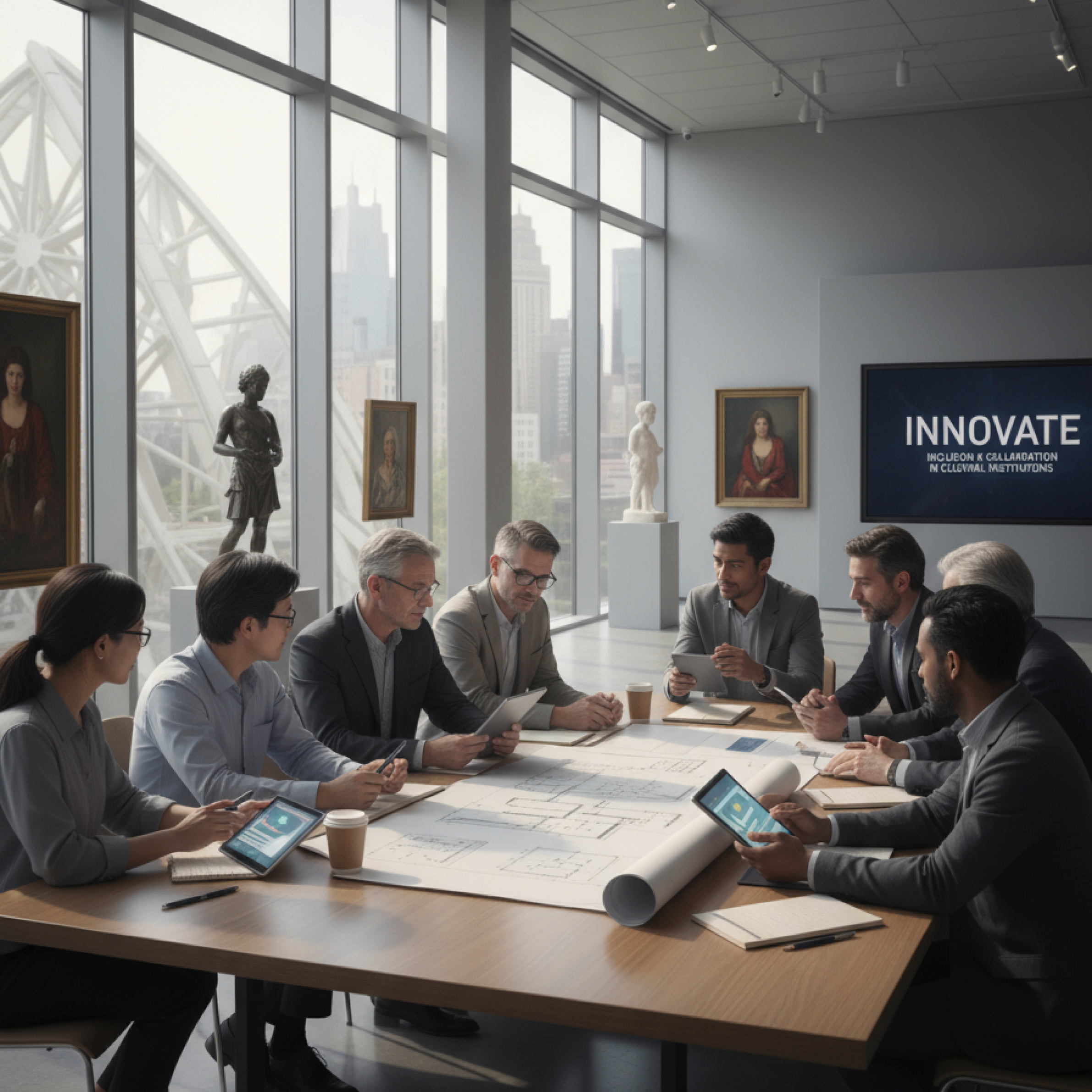
The critical factor is hiring philosophy. "Hire people who are better at things than you," Honeysett insists. "If I can hire somebody smarter than me for less money than me, that's a great situation to be in." Leaders with big egos who resist hiring smart people create fundamental problems. Museums need conductors who orchestrate talented teams, not directors who believe they have all the answers.
Great leaders also invest in their staff, pay living wages, and create environments where people can do their best work. Not coincidentally, these are the institutions where staff aren't trying to unionize.
The Path Forward
When asked to define success, Honeysett rejects grand gestures: "I never think about success as this kind of big event. It's made up of daily successes that should be celebrated. The real work is the day-to-day grind when you're slowly moving things forward."
For museum leaders navigating today's challenges (declining attendance, tightening grants, pressure from boards about AI strategies), Honeysett's advice is clear: master the fundamentals. Fix your systems. Train your people. Focus your mission. Build sustainable revenue streams.
And perhaps most importantly: look outside the museum echo chamber. The competition isn't just other museums. It's immersive experiences, entertainment venues, and every other way people choose to spend their time and money.
The museums that thrive won't be those with the biggest endowments or most prestigious collections. They'll be the ones that embrace their dual obligation: serving their communities while running smart, efficient businesses.