Visionary Museum Operations
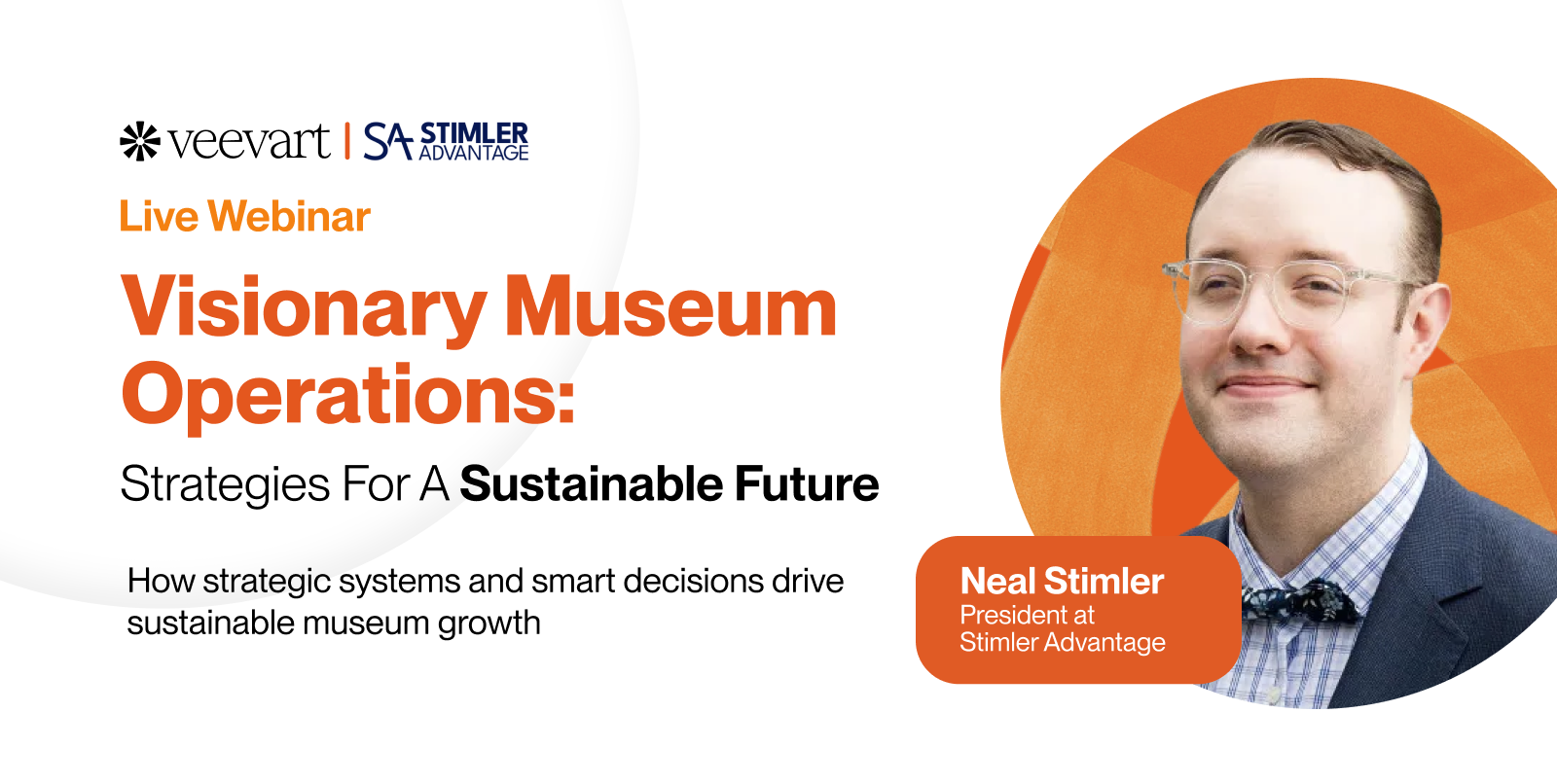
A museum’s mission to educate and inspire flourishes when seamless, integrated systems power its operational engine. By moving beyond departmental silos and outdated workflows, your organization has a remarkable opportunity to transform routine tasks into a unified, visionary model that fuels your impact. Embracing this evolution allows leadership to reclaim valuable time and energy, shifting focus from managing day-to-day hurdles to cultivating deeper community engagement and lasting financial vitality. This is more than an operational upgrade; it is a pathway to a more vibrant and sustainable future for your institution.
Visionary Museum Operations Defined
What are visionary museum operations? Several key characteristics define visionary museum operations:
Informed: Decisions made by boards, executives, and team leaders are informed by holistic data, derived from an integrated suite of applications that deliver critical, mission-aligned insights.
Agile: Strategic planning is agile and continuous, moving ahead of the pace of change in a constantly evolving world, abandoning rigid five-year plans for, at a minimum, quarterly reviews and rapid adjustments to ground conditions.
Entrepreneurial: Ingeniously identifying, pursuing, and capitalizing on new content, revenue streams, and partnerships to foster enduring financial sustainability and maximize mission impact.
Cohesive: Operating with a unified, "one-team" mindset, driven by collective passion for the mission, the stakeholders served, and the organization.
Proactive: Leaders are attentive, attuned, and aware of shifting external conditions, and they proactively take decisive action to meet change head-on rather than remaining reactive and allowing the organization to be overrun.
Enterprise Resource Planning
Modern institutions can evolve from siloed departmental management to a strategic Enterprise Resource Planning (ERP) framework to ensure operational resilience and data integrity.
Adopt an Enterprise Mindset: Move beyond fragmented workflows toward a "one-team" approach that prioritizes shared data stewardship and cross-departmental collaboration.
Establish a Single Source of Truth: Replace disparate applications with a unified software suite and a centralized database to ensure data transparency, efficiency, and accountability.
Optimize Performance: Use structured, centralized data to eliminate manual information validation, enabling teams to resolve pain points and act faster.
Prioritize Executive Oversight: Leadership and IT heads should treat ERP systems as a strategic priority to ensure institutional alignment and long-term stability.
Strengthen Institutional Resilience: Leverage cloud-based enterprise security to protect the organization’s reputation and continuity against cyber threats and systemic disruptions.
Mitigate Risk: Recognize that in an era of "permacrisis," vigilant investment in foundational museum operations is essential to prevent institutional failure.
System Procurement
To navigate the complexities of digital transformation, museums need to adopt a disciplined, time-bound procurement strategy that aligns with the institutional vision and technical execution.
Mandate Executive Leadership: Procurement should be a top-down initiative led by the IT Director, finance, senior business officers, and relevant Board committees to ensure decisive authority and clear accountability.
Form a Specialist Working Group: Assemble a team of practitioners from Finance, Development, and Visitor Services to manage day-to-day troubleshooting, under the oversight of a dedicated Project Manager who will drive the initiative.
Engage Diverse Stakeholders: Use surveys, interviews, and workshops to gather feedback from staff and visitors, ensuring the new system addresses actual user needs and enhances the visitor experience.
Select the Right Procurement Instrument: Choose a formal path based on institutional requirements, such as a Request for Information (RFI) for market scanning, a Request for Proposal (RFP) for competitive bidding, or Direct Sourcing when a unique technical fit is required.
Prioritize Strategic Partnerships: Evaluate solution providers not just on software features, but on their transparency and commitment to a long-term, responsive partnership.
Leverage External Expertise: Budget for independent consultants or project managers to provide specialized change management capacity and ensure the project remains on track.
Commit to a Strict Timeline: Establish a firm cadence with rigorous deadlines to maintain momentum, mitigate "initiative fatigue," and ensure a successful go-live before resources or enthusiasm diminish.
Funding Approaches
Thoughtful preparation of your funding and preliminary plan is a vital first step toward a successful system transition. By engaging solution providers early or issuing a Request for Information (RFI), you can gain preliminary budget insights needed to estimate both initial implementation costs and long-term sustainability. While short-term funding can help launch the project, the most resilient strategies align with your institution’s unique fiscal needs, ensuring the system pays for itself through enhanced efficiency and revenue. Securing this dedicated support before moving to a formal Request for Proposal (RFP) provides your team with the financial confidence and stability required to see the transformation through.
Museums can utilize the following approaches to fund and support the acquisition of a robust operations system:
Corporate Sponsorship: Secure corporate partnerships to fund operations and systems, acknowledged across communications, signage, and digital platforms.
Donations: Solicit private donations, especially from board members with business or industry expertise, emphasizing the critical value of supporting core infrastructure, rather than or in addition to traditional programming.
Events: Host dedicated fundraising events, such as pledge drives or galas, to generate funds.
Grants: Use grants from foundations or governments as supplementary funding, avoiding reliance on them as a primary source due to potential cancellation, delays, or prohibitive requirements.
Memberships: Offer membership tiers that support the museum at a profit, providing tangible, desirable benefits (access, merchandise) without financially undercutting earned revenue streams. Crucially, track members across all organizational touchpoints, such as events, retail, and board roles.
Rentals: Lease campus spaces and facilities for conferences, weddings, business meetings, or other events during or outside regular hours.
Retail: Use the operations system to efficiently sell gifts and merchandise, online and onsite, focusing on branded items or products tied to the museum’s intellectual property for optimal support.
Tickets: Generate revenue by selling tickets for exhibitions and programs to cover operating costs and increase visitor commitment to attendance.
Crucially, ensure all these revenue streams seamlessly feed into the museum's operational systems for comprehensive analytics and reporting, which are vital to the museum's long-term financial well-being.
Getting Started
For executive leaders, the most challenging part of a digital transformation is often the transition from intent to action. To build momentum and ensure a successful selection and implementation process, follow these foundational steps:
Audit Software Reviews: Use platforms like Capterra and G2 for initial market scanning. While these provide a helpful baseline for viability, they should supplement—not replace—rigorous due diligence..
Consult Peer Networks: Reach out to colleagues at other institutions for candid feedback. Direct peer insights often reveal the "hidden" pros and cons of a provider’s service and long-term reliability.
Survey Your Users: Collect data from staff and visitors to identify existing pain points. Grounding your selection in real-world "user empathy" ensures the new system solves actual problems rather than perceived ones.
Formalize the Business Case: Prepare a document that justifies the investment by weighing the costs and risks against the long-term strategic value and ROI.
Define the Project Plan: Outline your preliminary budget, core team, necessary resources, and a realistic delivery timeline.
Engage the Board: Present your proposal to the relevant Board committees (Finance, Operations, or Technology). View this as a strategic consultation rather than a "rubber stamp" exercise; their critical feedback and oversight are vital for securing high-level alignment and funding.
Assess External Capacity: If internal bandwidth is limited, budget for specialized consultants. Expert guidance during the selection phase can prevent costly missteps later.
Launch the Initiative: Centralize all documentation and tasks in a cloud-based project management tool. Assign responsibilities, set the schedule, and begin execution.
Conclusion
Your institution can move beyond traditional, ad hoc management toward a dynamic model in which Visionary Museum Operations drives every aspect of your mission. This progress begins with a strategic Enterprise Resource Planning framework that unifies your data and strengthens institutional resilience. Through a disciplined System Procurement process and a diversified Funding Approach, you can build a sustainable financial structure that supports technical excellence and the service of your mission. By following these practical steps to Get Started, you are doing more than upgrading software—you are equipping your museum to remain a vibrant, agile, and impactful leader in a changing world.
Veevart Can Help
Whether you are evaluating Veevart or looking to maximize your current investment, Veevart offers expert guidance to optimize your museum operations. Through a combination of dedicated support, technical resources, and peer insights from customer testimonials, their team ensures you get the most out of the platform.
Biography:
Neal Stimler is the President of Stimler Advantage, LLC, an executive management consulting firm that provides business and information technology services. Neal regularly advises corporate, government, nonprofit, and small- to medium-sized business clients on digital transformation initiatives. He has over 20 years of professional experience working with museums. Neal is an international enterprise resource planning and museum operations expert, working with clients to empower their assets, people, processes, technologies, and workflows.
[Watch the Full Webinar Here]
Authored by Neal Stimler, President, Stimler Advantage, LLC
Copyright: © Neal Stimler. All rights reserved. This content is published on Veevart's website with permission.