International Women's Day: The Role of Museums in Celebration
Every March 8th, the world commemorates International Women's Day—a key moment to reflect on gender equity progress, recognize the role of women throughout history, and promote spaces of inclusion and diversity. In this context, museums play a fundamental role as guardians of historical memory and platforms for education and social change.
They not only preserve and exhibit works of art but also have the power to highlight women's contributions in various fields, including art, science, politics, and culture.
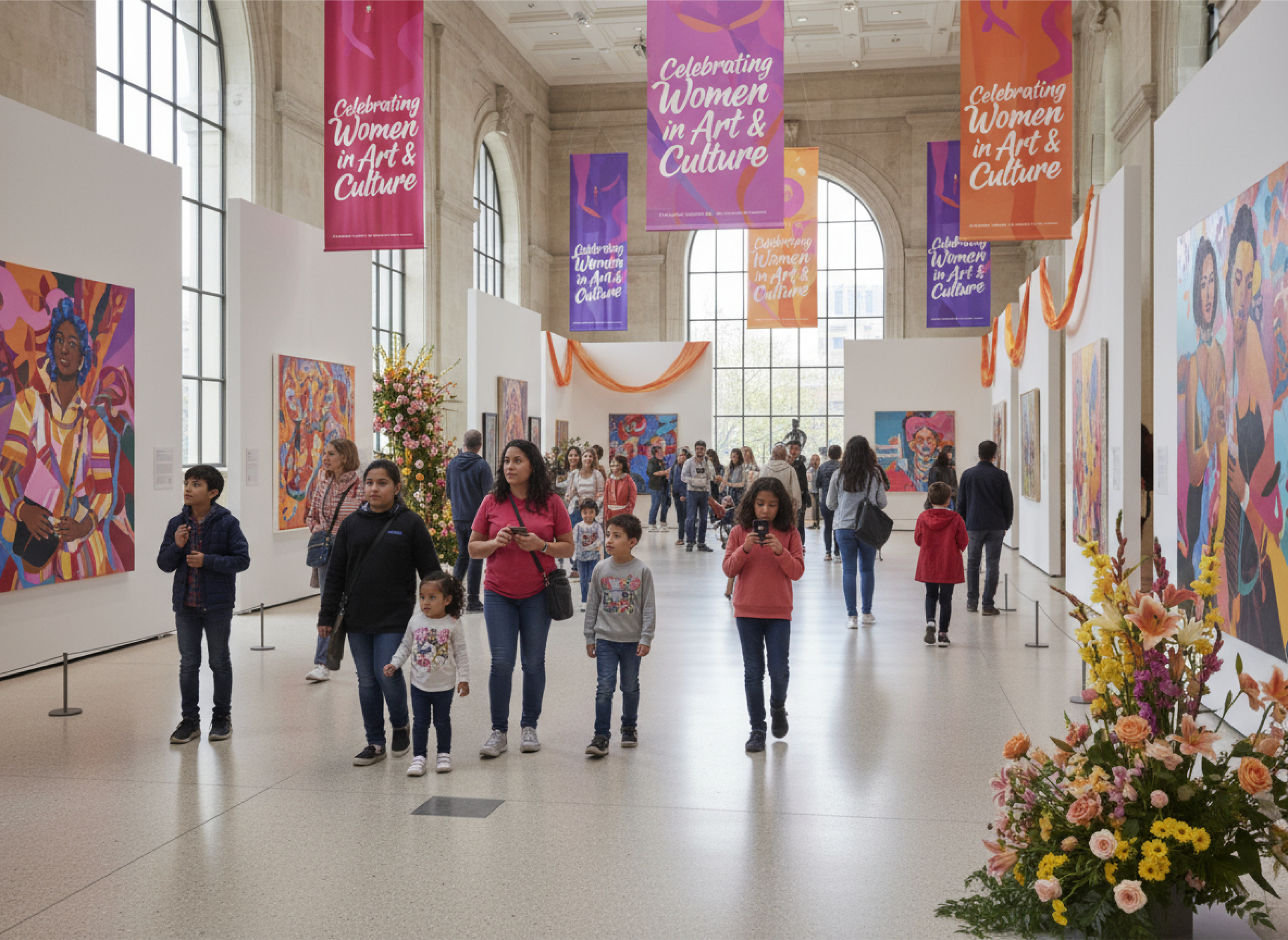
The Role of Museums in Celebrating Women's Day
Museums not only preserve and exhibit works of art but also serve as platforms to make women's contributions more visible across different fields: art, science, politics, and culture. Here are some ways they can participate in this commemoration:
Thematic Exhibitions: Showcasing the work of female artists, researchers, and historical leaders. Many of their contributions have been underestimated or underrepresented in traditional narratives.
Events and Talks: Organizing conferences, panel discussions, and conversations on gender equity in the art and culture sectors.
Educational Programs: Implementing workshops and hands-on activities for children and adults to promote inclusion and diversity.
Digital Content: Leveraging online platforms to share inspiring stories and educational materials about influential women in art and cultural history.
Collaborations with Feminist and Cultural Organizations: Partnering with institutions that promote gender equity to maximize the impact of activities.
International Women's Day and Museums in the United States
The National Museum of Women in the Arts (NMWA) in Washington, D.C., is one of the most prominent institutions dedicated to promoting art created by women. Its mission is to address the underrepresentation of women in the art world through exhibitions, educational programs, and activities that highlight the work of female artists from different eras and regions.
On the other hand, the Met Museum has launched initiatives such as the #5WomenArtists campaign, which challenges visitors to name five women artists, shedding light on the lack of recognition for women in the arts and encouraging greater visibility of their contributions in the museum field.
Women in Art History and Museums
Throughout history, women have played a crucial role in creating, preserving, and promoting art and culture. However, their achievements have not always received the recognition they deserve. Some of the most notable figures include:
Artemisia Gentileschi – A Baroque painter who defied societal norms and became one of the most important artists of the 17th century.
Frida Kahlo – An icon of art and resilience, whose work explored identity, gender, and politics.
Louise Bourgeois – A sculptor and painter whose works addressed themes of femininity, trauma, and memory.
Guerrilla Girls – An anonymous collective that exposes gender inequality in the art world through activism.
These are just a few examples of the immense contributions women have made to cultural history. Museums have a responsibility to ensure that these and many other voices are heard and valued.
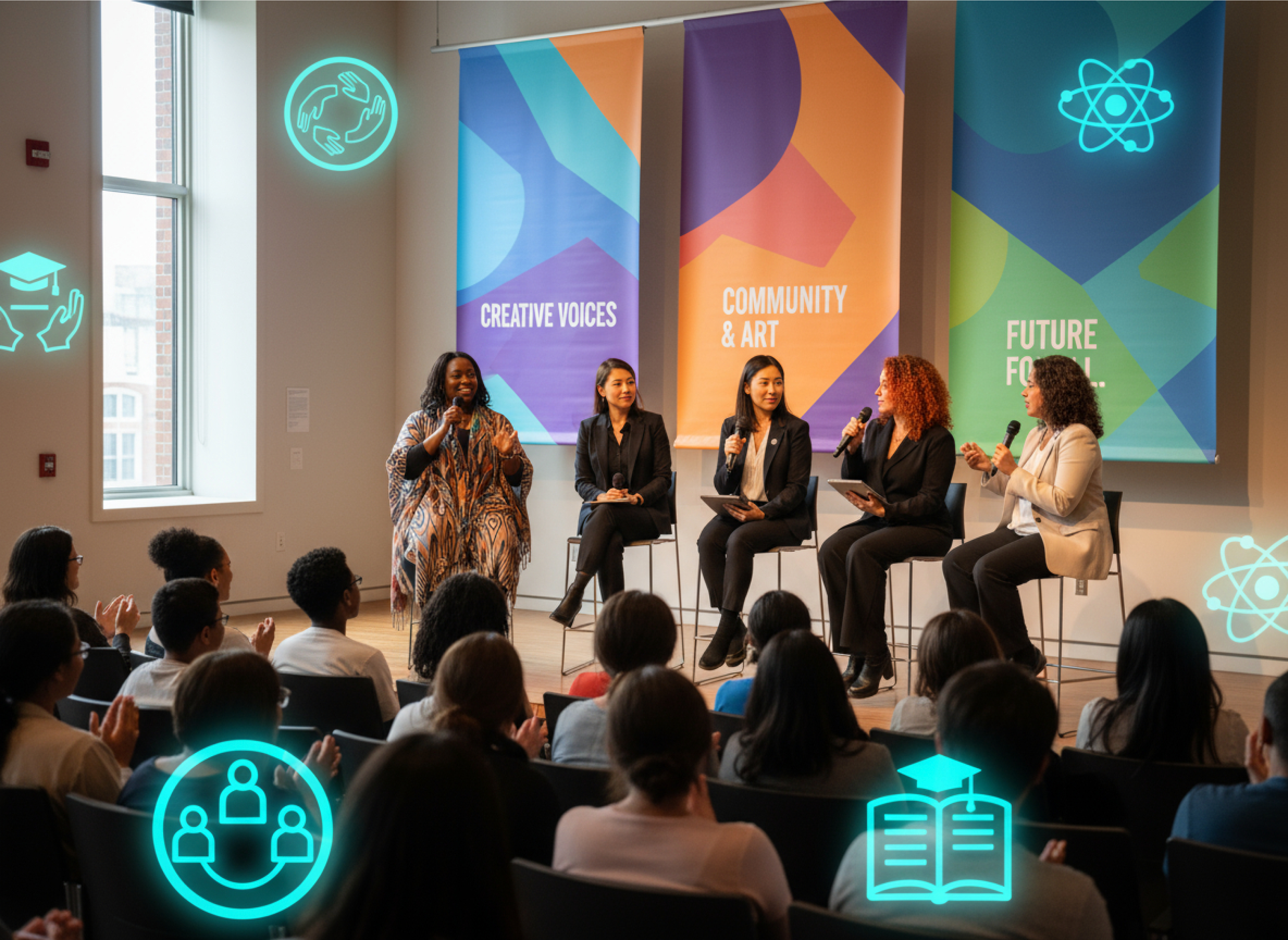
The Future of Museums in Gender Equity
International Women's Day is an opportunity for museums to strengthen their commitment to equity and diversity. Through exhibitions, events, and educational programs, they can inspire new generations and contribute to a more inclusive and equitable society.
Whether through digitizing collections, organizing events, or creating membership programs to support gender equity initiatives, museums can make a significant difference.
This March 8th, let’s celebrate and reflect together on the role of women in history, art, and culture.
Let’s continue building spaces where all voices are heard and valued!