What Museum Growth Actually Looks Like (and Why It’s Not Just Attendance)
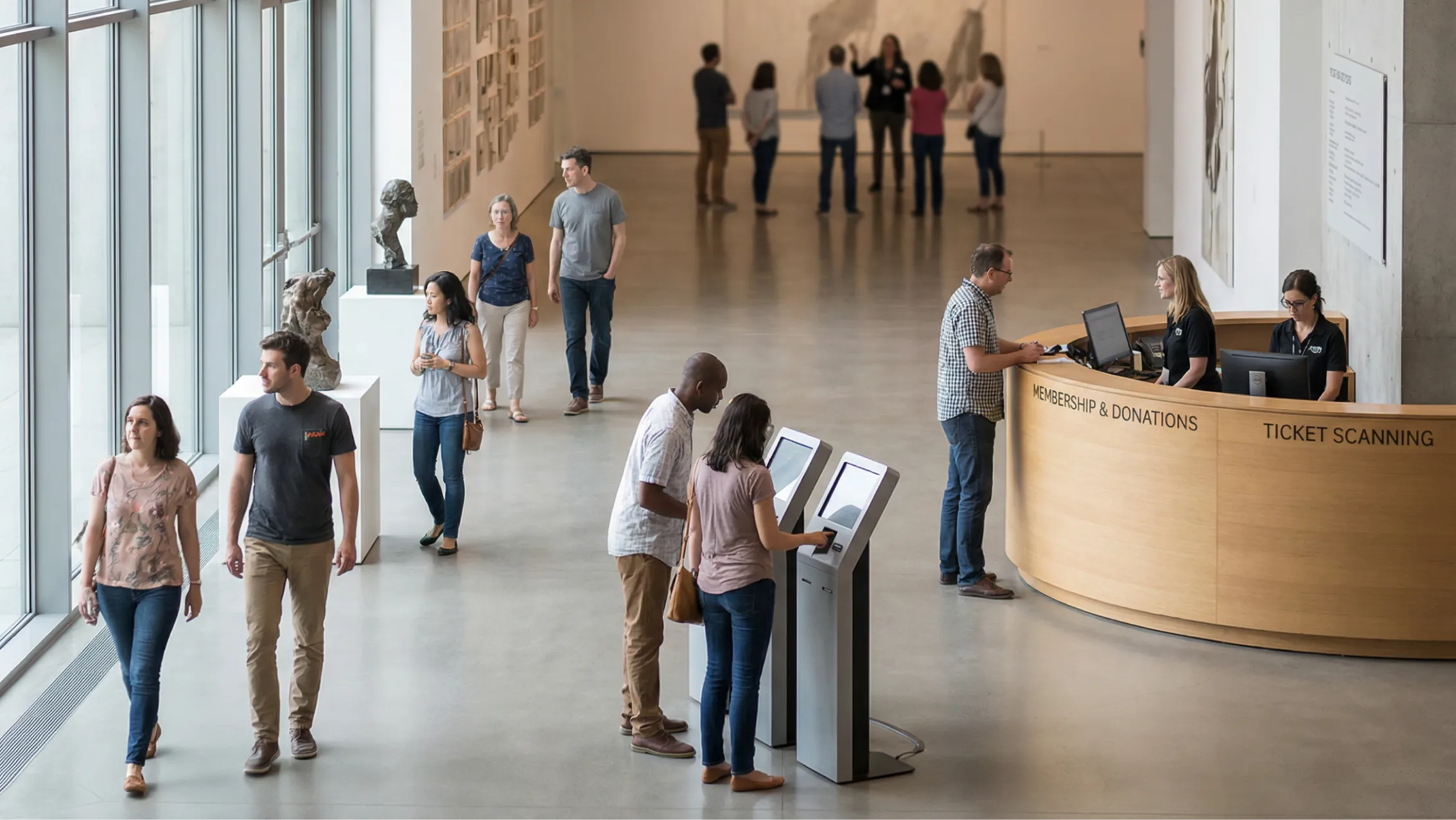
For years, attendance has been one of the easiest ways for museums to talk about success. Higher numbers often signaled relevance, revenue potential, and confidence in future investment. Attendance still matters, but on its own, it no longer captures how a museum is actually performing.
Many museums today are discovering a frustrating reality: visitor numbers can hold steady or even increase while underlying challenges quietly build. Examples of these can be; staff feel stretched, revenue feels unpredictable, and engagement feels shallow. Strategic decisions start to feel harder to explain, especially when the data behind them is incomplete.
Growth, as many museums are discovering, is more complicated than a single number at the door.
Why Attendance Alone No Longer Tells the Full Story
Attendance answers one question well: Are people coming? What it doesn’t answer is what happens after they arrive.
Two museums can report the same attendance figures and be in very different places:
One has visitors who return, join, donate, and participate.
The other sees mostly one-time visits with limited follow-up or long-term engagement.
On paper, both look healthy. In practice, only one is building momentum.
As museums add new programs, expand digital engagement, and depend on a wider mix of revenue sources, the idea of growth begins to shift. It becomes less about volume alone and more about what happens over time. Source
A Broader View of Museum Growth
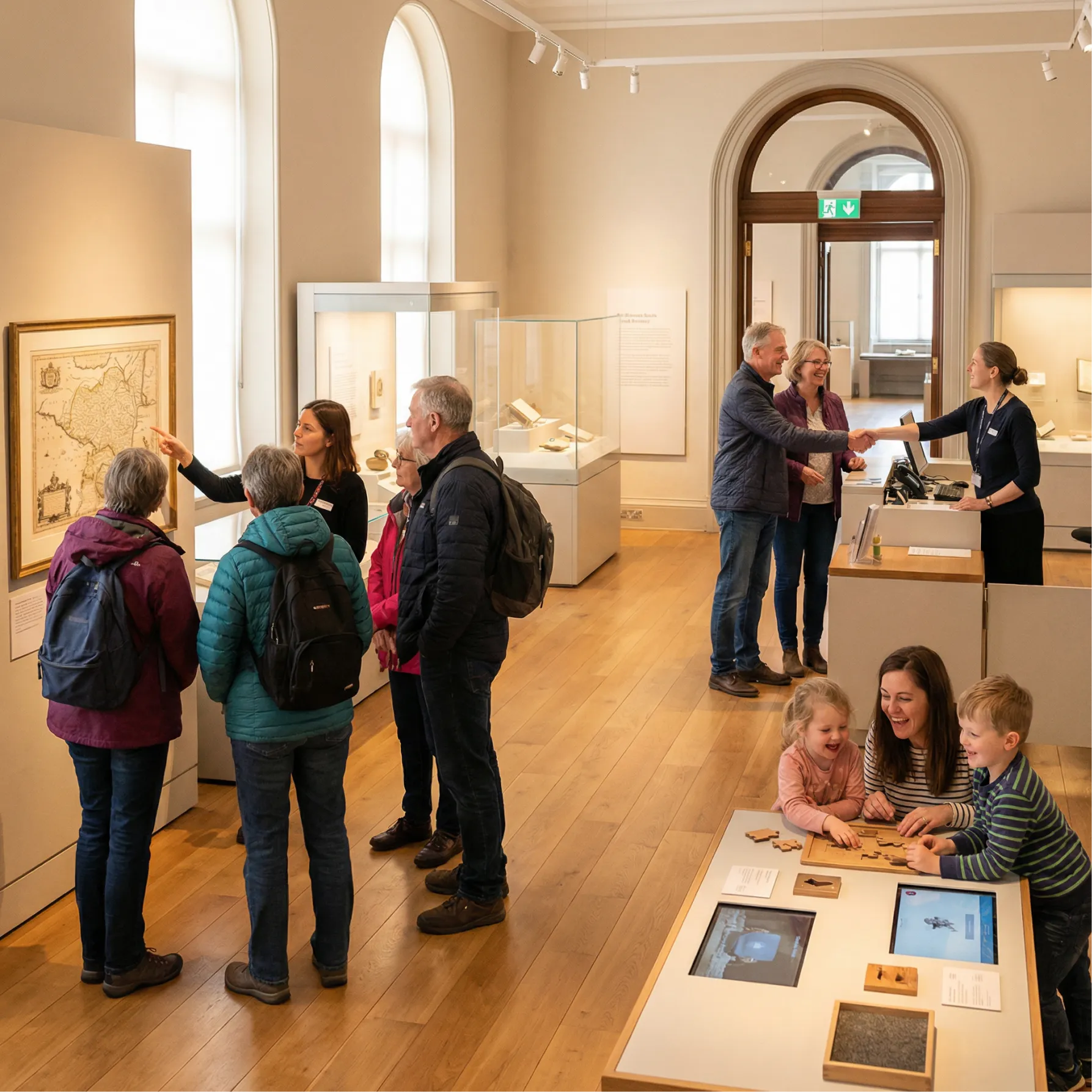
A more accurate museum growth strategy looks at performance across several dimensions throughout operations, donations, rentals, tickets, etc. Foot traffic is not the only KPI helping identify growth.
1. Engagement Depth
Growth shows up when visitors do more than attend. Repeat visits, program participation, event attendance, and membership adoption all signal deeper connection. These behaviors indicate relevance, not just curiosity.
2. Revenue Diversity
Healthy museums balance multiple revenue streams like admissions, memberships, donations, programs, retail, grants, and events for stability. In the Veevart podcast with Nik Honeysett, he stresses museums' financial obligation to offset lost community tax revenue through efficient, sustainable business practices, implying diversified income to meet social missions without over-reliance on one source.
These streams reinforce each other in strong organizations by aligning with core activities, avoiding dilution from scattered efforts. Honeysett notes museums are "additive environments" that wrongly equate growth with more programs; instead, healthier ones focus core offerings, enabling revenue sources to support mission-driven sustainability rather than compete.
3. Retention and Continuity
Over time, it’s often more revealing to look at who comes back rather than who shows up once. Membership renewals, donor retention, and repeat participation offer clearer signals about whether relationships are actually taking hold.
4. Operational Confidence
Growth isn’t only visible on the visitor side. It shows up internally as well. When teams have clearer data and shared visibility, planning becomes less reactive and decisions feel less strained. Over time, stable operations make room for more thoughtful strategy.
5. Long-Term Sustainability
Museums that are growing in meaningful ways tend to handle uncertainty more steadily whether that uncertainty comes from funding changes, staffing transitions, or external disruptions. In that sense, growth isn’t just about expansion. It’s about staying resilient.
Why Performance Metrics Need to Evolve
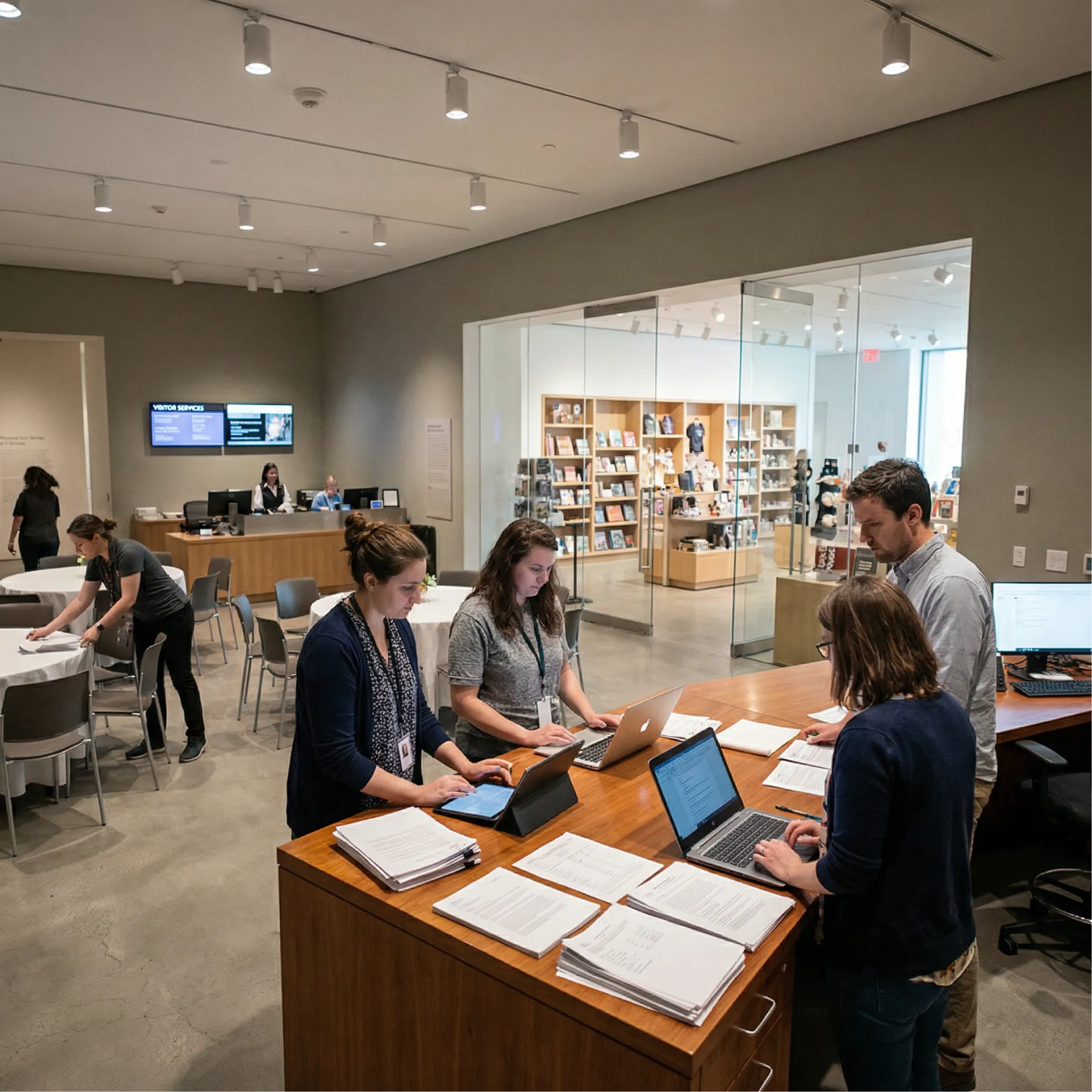
When attendance is the primary performance metric, other signals can potentially get overlooked. Leadership discussions stay reactive instead of strategic.
Modern museum performance metrics tend to focus on questions like:
Are visitors engaging across multiple areas of the museum?
Which programs lead to repeat participation?
How often do visitors convert to members or donors?
Where does engagement drop off?
Which activities contribute most to long-term support?
These aren’t marketing questions or fundraising questions alone. They’re organizational questions and answering them requires a connected view of how the museum operates.
Growth Happens When Museums Can See the Whole Picture
One reason growth feels hard to define is that information often lives in fragments. Ticketing data sits in one place. Membership in another. Fundraising somewhere else. Program participation in yet another system.
When that happens, leaders are left stitching together partial journeys.
Museums that can see engagement, revenue, and participation in one place tend to shift how they plan:
Decisions rely less on intuition and more on patterns.
Teams align around shared priorities instead of siloed goals.
Growth conversations move beyond “more visitors” toward “better outcomes.”
This isn’t about adopting technology for its own sake. It’s about clarity.
How Veevart Supports a More Meaningful View of Growth
Veevart is designed to help museums move beyond surface-level indicators. By bringing ticketing, membership, fundraising, programs, retail, and visitor data into one platform, it gives leaders a clearer view of how growth actually unfolds.
Instead of tracking isolated metrics, museums can see:
how engagement builds over time
which activities strengthen long-term support
where operational bottlenecks slow momentum
how different revenue streams reinforce one another
The result isn’t just better reporting. It’s better conversations among leadership, across departments, and with stakeholders.
Closing Thought
Museum growth today isn’t defined by how many people walk through the door. It’s defined by how well institutions turn curiosity into connection, participation into loyalty, and activity into sustainability.
Attendance will always matter. But the museums that thrive are the ones measuring what happens next and using those insights to build something that lasts.